



Digital Switchover 2027: DHSC & DSIT Telecare National Action Plan published · BT & VMO2 National Telecare Campaign live
What is Telecare?
An introduction to the connected technologies — from telecare to telemedicine — that help people live more safely and independently at home.
Technology Enabled Care Services (TECS)
Technology Enabled Care Services (TECS) is becoming the accepted term for a range of health and care technologies — Telecare, Telehealth, Environmental Controls, mHealth and Telemedicine. A single, generic term helps ensure each person receives the right technology for their needs at the right time, rather than being limited by services or funding streams that aren’t person-centred.
It still helps, though, for prescribers, patients, service users and carers to understand the different terms that make up TECS — set out below.
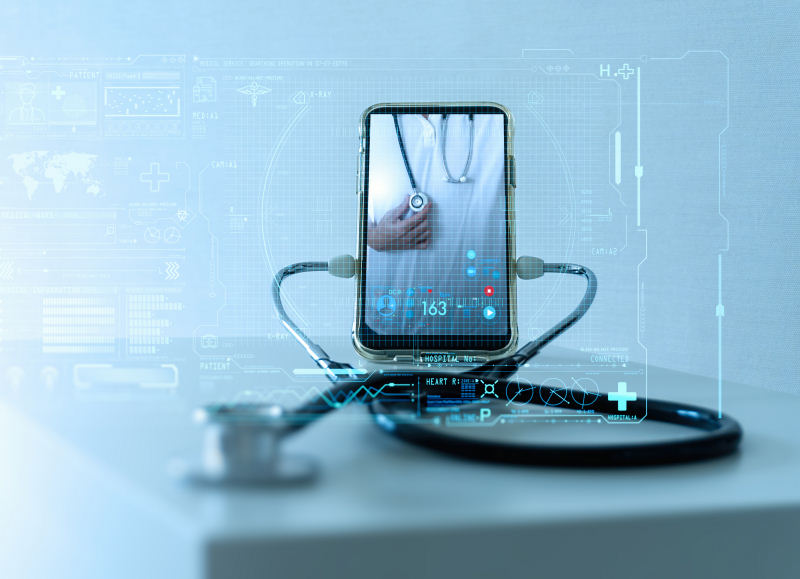

Telecare
Telecare grew out of social alarm services that have helped older and vulnerable people live independently for over forty years. Early pull-cords and pendant alarms have evolved into a range of environmental and personal sensors that monitor a person’s safety and wellbeing, backed by a 24/7 monitoring service that escalates alerts to a named responder or the emergency services.
Environmental sensors include smoke, extreme-temperature, flood, door and movement (PIR) detectors and carbon-monoxide alarms. Personal sensors include fall detectors, bed and chair occupancy sensors, enuresis and epilepsy sensors, and medication reminders.
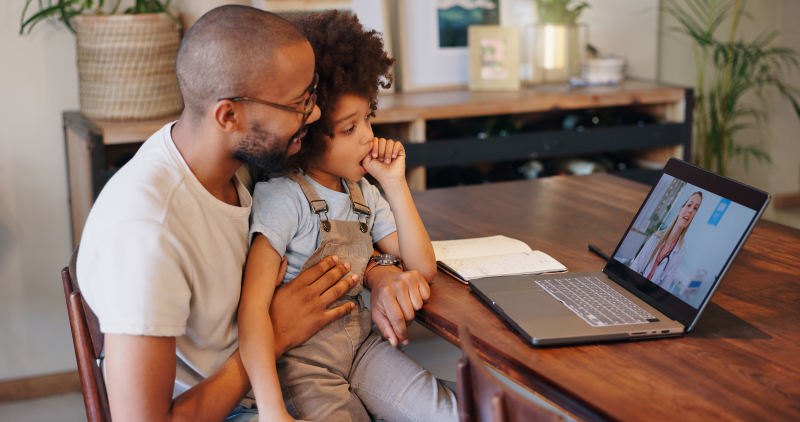
Telehealth
Telehealth helps people with long-term conditions self-manage their health, stay independent, reduce hospital stays and ease pressure on GP and primary-care services. A smart hub collects vital-signs data — entered by the patient or captured automatically by devices such as blood-pressure monitors, pulse oximeters and blood-glucose meters — and transmits it to a clinical or non-clinical monitoring service.
The system can also coach and mentor patients through guided questions, and supports conditions including COPD, chronic heart failure, type 2 diabetes, cancer and mental-health conditions.

mHealth
Many telehealth services can also be delivered through smartphones and apps, giving younger service users greater flexibility in how they access support.
mHealth also powers safer-walking services, using GPS and GPRS to support people living with dementia, early-stage Alzheimer’s and learning disabilities.

Assistive Technologies & Environmental Controls
Assistive technologies, or environmental controls, help people with severe disabilities live as independently as possible. Using switches and sensors that respond to even limited movement, they make everyday tasks — switching on lights, opening curtains, turning on the television or using a computer — achievable.
They can also work alongside telecare and telehealth systems to create a joined-up package of support.
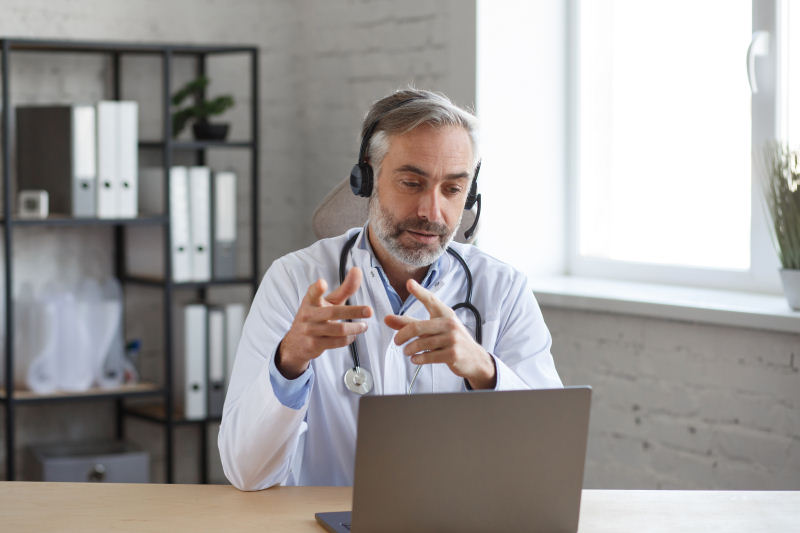
Telemedicine
Telemedicine uses video technology to let specialists and consultants support patients and colleagues remotely — making diagnoses and recommending treatment from a distance.
Vital-signs data, x-rays and other information can be shared for a fast diagnosis when a patient is in a remote area or local expertise isn’t available. It is mainly used in acute health settings.
Find the right support in your area
The terms above give a brief overview. For information about services in your area, please contact your local council, Adult Social Care team or Integrated Care Board — or join the UKTelehealthcare network for sector-wide guidance and support.